How to Monetize Your Videos on YouTube

A lot of you have asked about this, and honestly, it makes total sense. You've been putting real time and effort into your videos, and now you want to know how to actually make money from them. YouTube monetization isn't some big secret, but there's a lot of noise out there that makes it seem more confusing than it needs to be.
The good news is that YouTube gives creators several ways to earn, and you don't have to be a massive channel to get started. You just need to understand the basics, meet the right requirements, and then build from there. Whether you're brand new or you've been posting for a while, this guide breaks it all down in plain language.
I started taking monetization seriously after realizing my ad revenue alone wasn't going to cut it. That shift in thinking opened up a lot of doors. So let's talk about what actually works.
Getting into the YouTube Partner Program
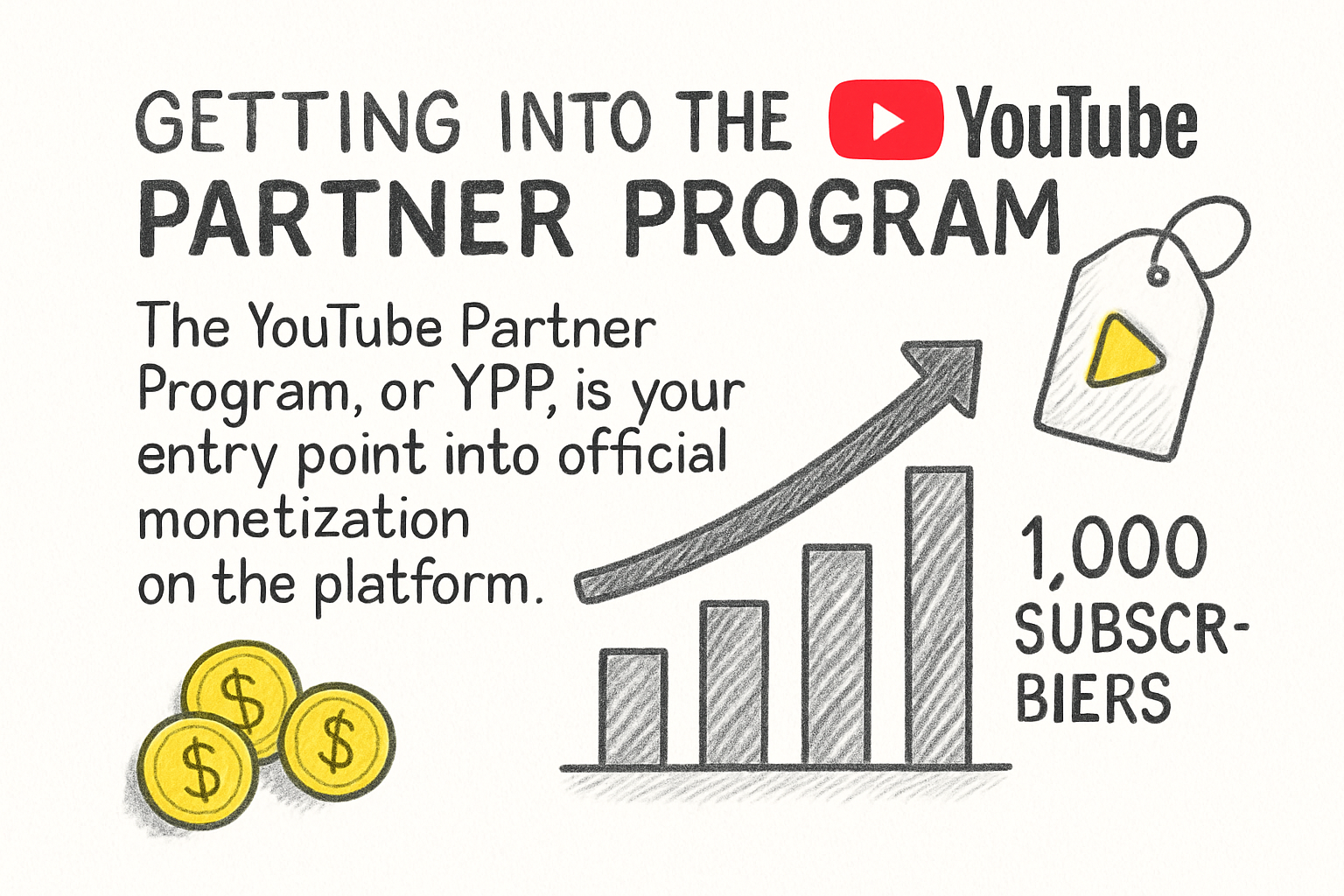
The YouTube Partner Program, or YPP, is your entry point into official monetization on the platform. To qualify, you need at least 1,000 subscribers and 4,000 watch hours in the past 12 months. Once you hit those numbers, you can apply through YouTube Studio, and Google will review your channel to make sure it follows their policies.
If you're not there yet, don't panic. Building your subscriber count takes time and consistency. Our article on how to get subscribers on YouTube fast has some practical steps you can start using right now to move the needle. The key is posting content people actually want to watch, not just uploading for the sake of it.
Once you're approved for YPP, ads will start running on your videos. This is called AdSense revenue, and it's based on how many people watch and click those ads. Your earnings depend on your niche, your audience location, and how long people stick around. Channels in finance or tech tend to earn more per view than channels in entertainment, for example.
Don't treat ad revenue as your only income stream, though. Most creators who build real income use ads as just one piece of a bigger picture. We'll get to the other pieces in a minute.
Other ways to earn money on YouTube
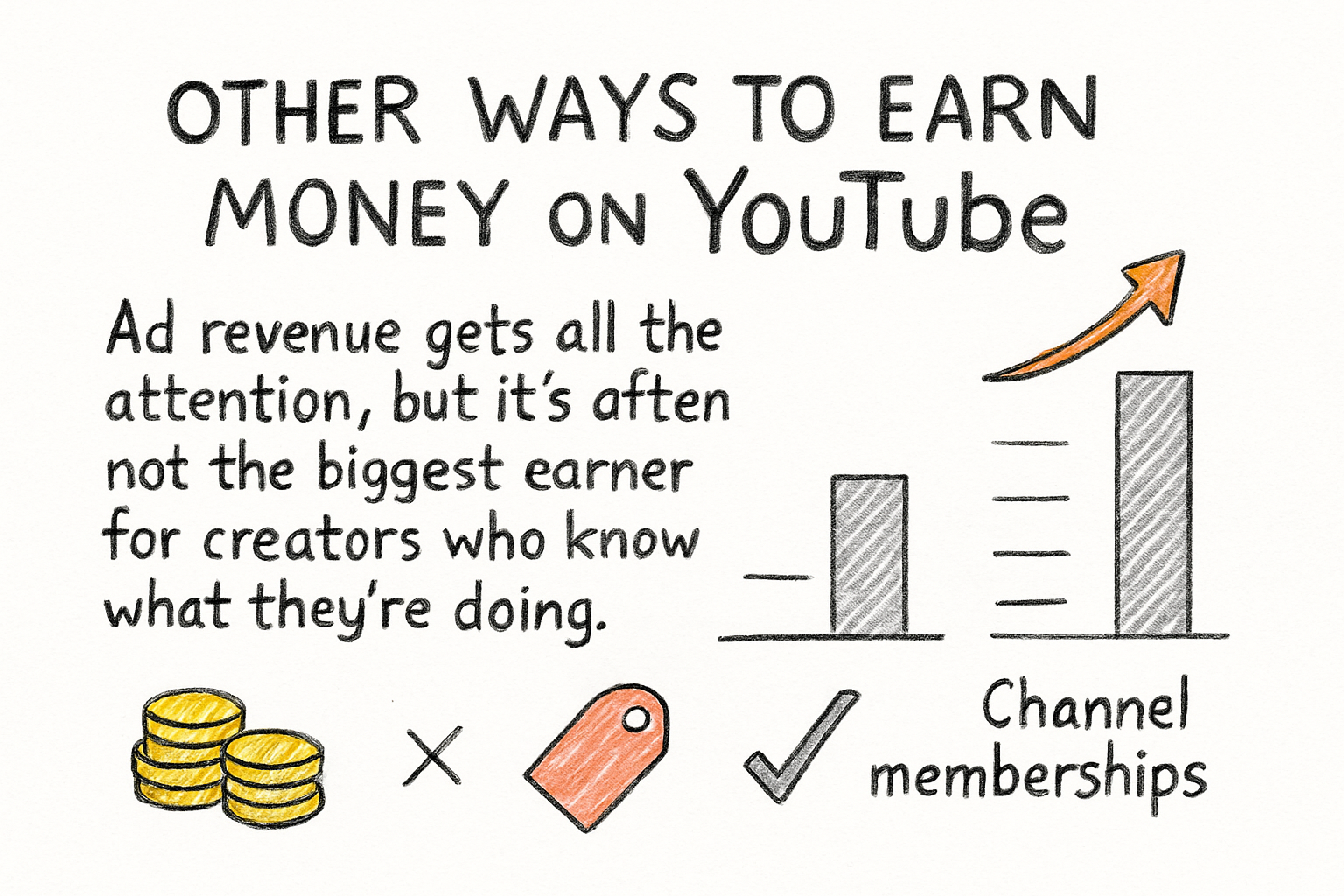
Ad revenue gets all the attention, but it's often not the biggest earner for creators who know what they're doing. Channel memberships let your subscribers pay a monthly fee in exchange for perks like exclusive content, badges, or early access. Super Chats and Super Thanks let viewers tip you during live streams or on regular videos. These features unlock as part of the Partner Program, so getting approved matters.
Sponsored content is where a lot of creators really grow their income. Brands pay you to talk about their product in your video. I personally think this is one of the best ways to earn on YouTube, because you set your own rate and you're not at the mercy of fluctuating ad rates. As your channel grows, your sponsorship value goes up too. Even smaller channels with tight, loyal audiences can land solid brand deals.
Affiliate marketing is another strong option. You recommend a product, drop your unique link in the description, and earn a commission when someone buys through it. It's passive, it scales well, and it fits naturally into almost any type of content. Amazon Associates is the most popular starting point, but tons of companies run their own affiliate programs.
Selling your own products or services is the most direct path to income. Think digital downloads, online courses, coaching, or merch. If your audience trusts you, they'll buy from you. Tools like TubeBuddy can help you understand your audience better so you can create offers they actually want.
Making your channel work harder for you
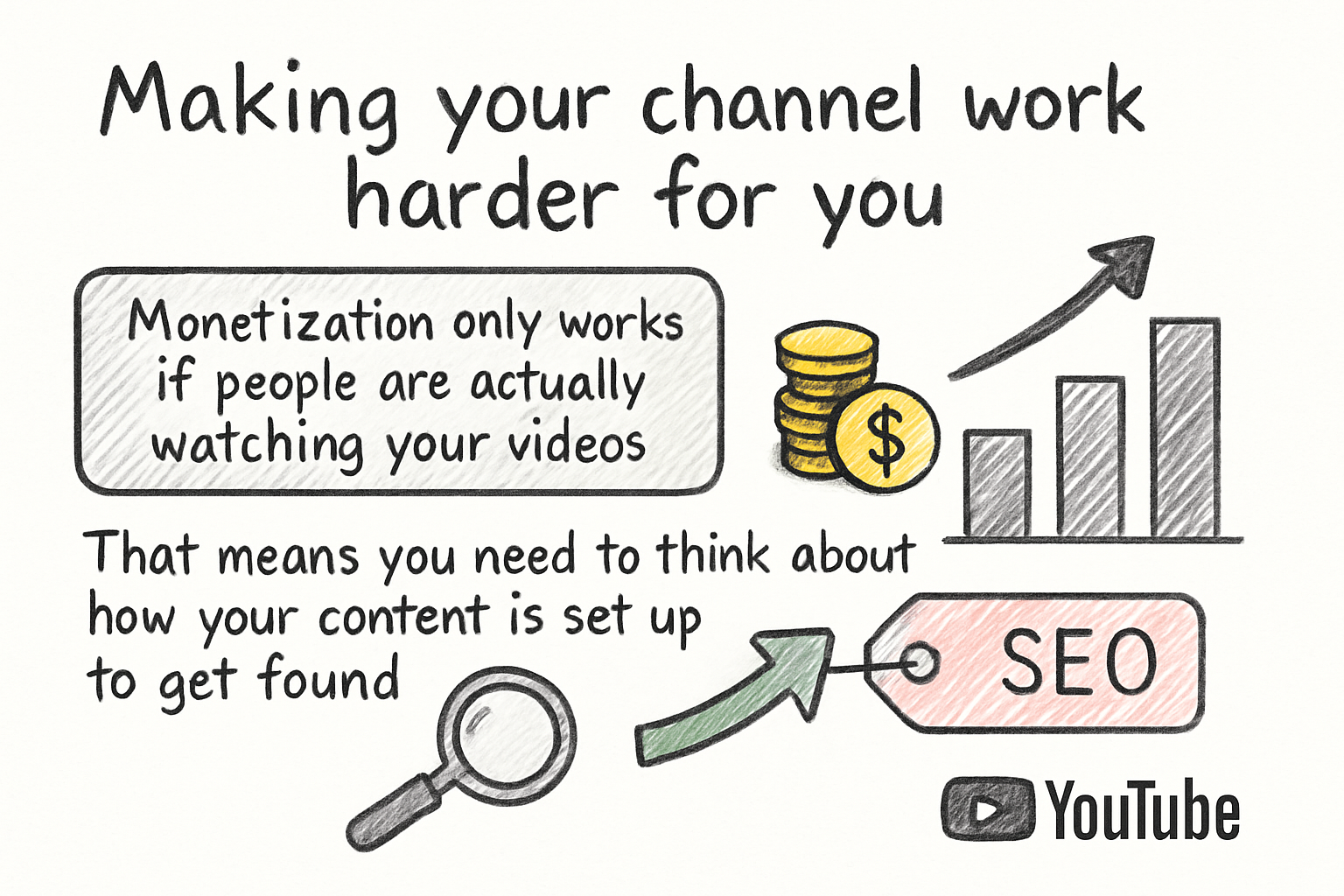
Monetization only works if people are actually watching your videos. That means you need to think about how your content is set up to get found. YouTube is a search engine, and the way you title, describe, and tag your videos has a real impact on who sees them. If you haven't read our post on YouTube tags and how to use them the right way, it's worth checking out.
Your thumbnails and titles are the first things viewers see, so they need to earn the click. A video that never gets watched can't make you money, no matter how good the content is inside. Test different thumbnail styles, pay attention to your click-through rate in YouTube Analytics, and keep improving. This isn't a one-and-done task. It's an ongoing process.
Consistency matters more than people want to admit. Channels that post regularly and stick to a clear topic tend to grow faster and keep viewers coming back. That repeat audience is what makes memberships, merch, and sponsorships actually viable. If your schedule is all over the place, it's harder to build the kind of trust that turns viewers into buyers.
If you're looking for content ideas that could attract the right audience, our list of great YouTube video ideas to inspire your next upload is a solid place to start. Pick topics that line up with your niche and naturally connect to the products or services you want to promote. That alignment makes monetization feel natural instead of forced.
Ready to take the next step?
Monetizing your YouTube channel takes some patience, but it's completely doable when you take it one step at a time. Start by hitting the Partner Program requirements, then layer in sponsorships, affiliates, and your own offers as your audience grows. If you have questions or you want to share what's been working for your channel, drop a comment below. And if you want smarter tools to help grow and track your channel, check out Kliptory and see what it can do for you.