YouTube Playlist Strategies to Skyrocket Your Watch Time

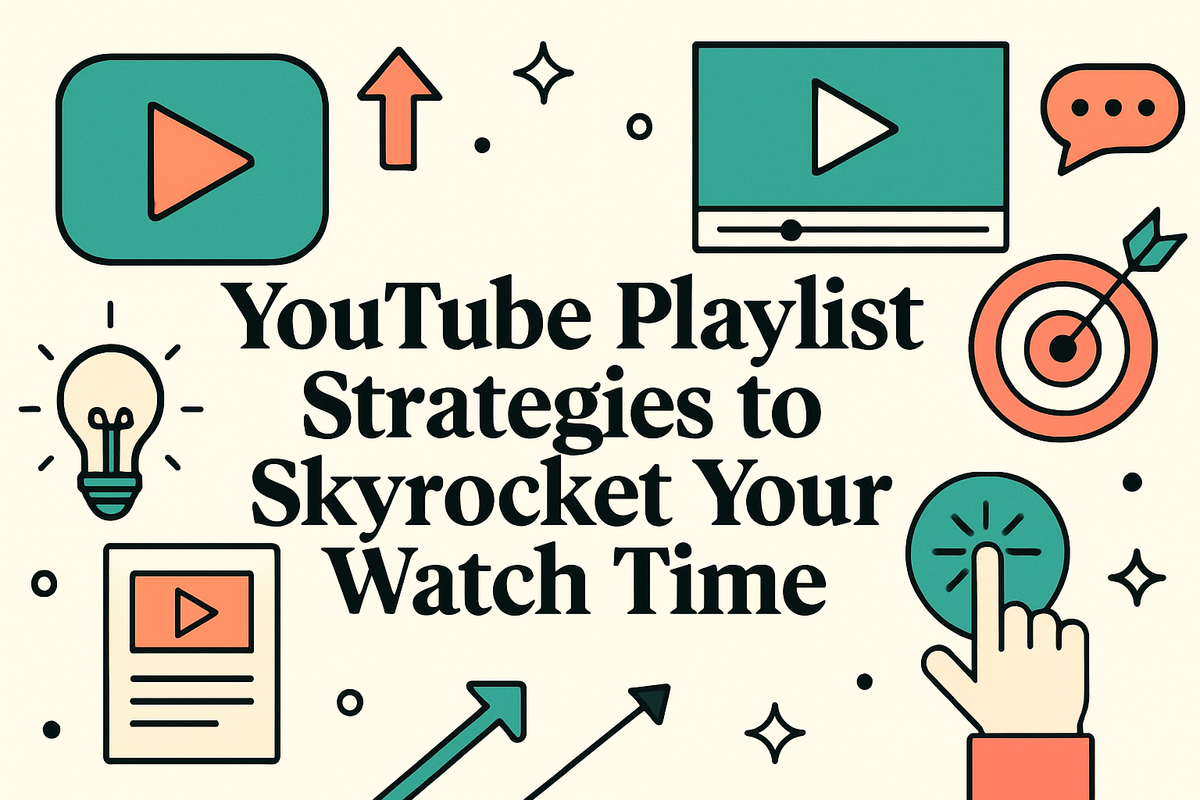
Watch time is the number YouTube cares about most. It's not just about views or subscribers. If people are clicking away from your videos after 30 seconds, YouTube's algorithm will stop pushing your content to new viewers. That's a painful cycle to be stuck in, and a lot of creators don't even realize it's happening until they dig into their analytics.
Playlists are one of the most underused tools on the platform. Most creators upload a video, share it, and move on. They never think about how that video fits into a bigger watching experience. But when you organize your content into smart playlists, you give YouTube a reason to keep playing your videos back to back. That's how you turn a single viewer into someone who watches 30, 40, or even 60 minutes of your content in one sitting.
I personally think playlists are the closest thing to a cheat code that YouTube actually allows. They don't require more money, better gear, or going viral. They just require a little planning. And once you set them up the right way, they work for you around the clock without any extra effort.
Why playlists work so well for watch time
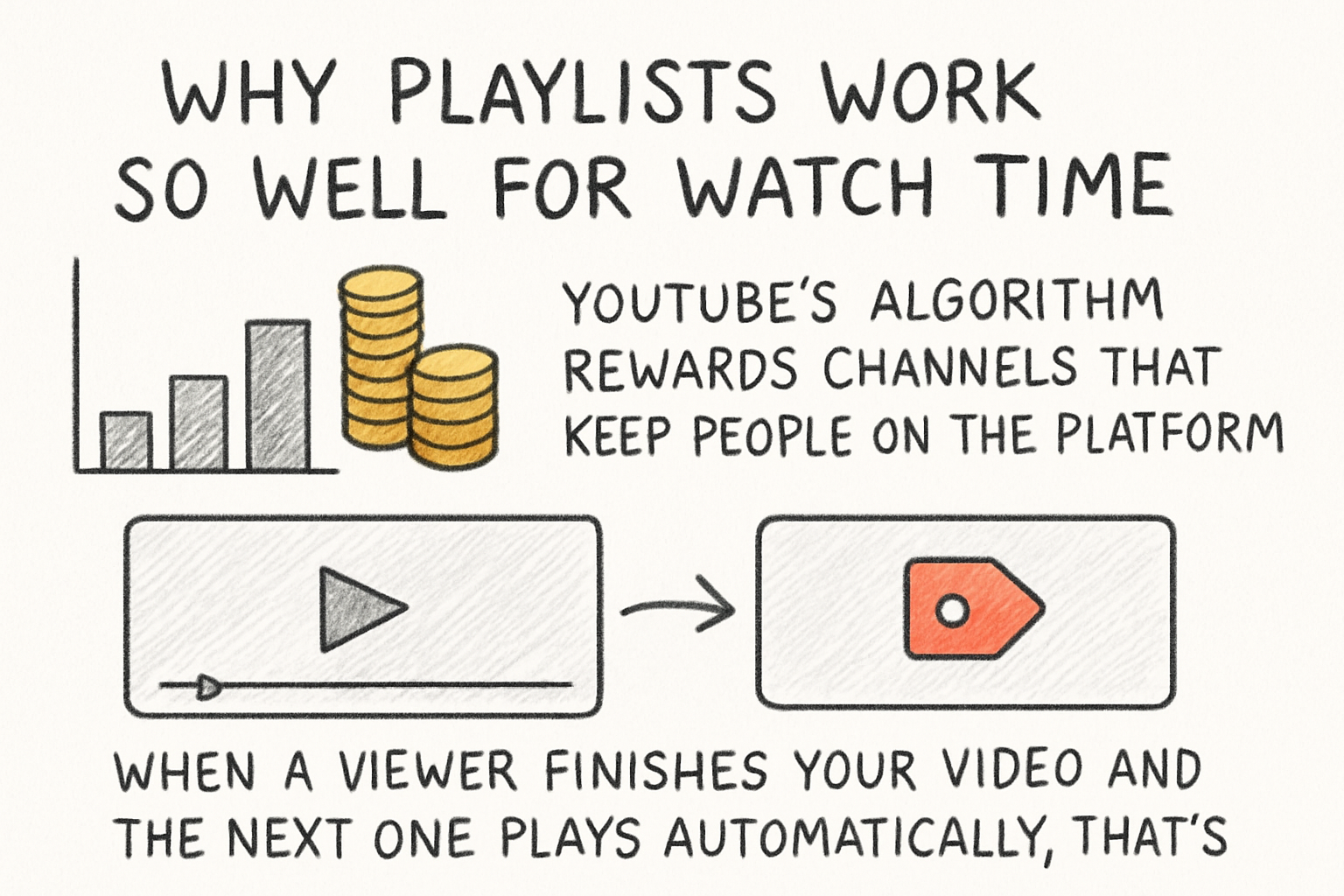
YouTube's algorithm rewards channels that keep people on the platform. When a viewer finishes your video and the next one plays automatically, that's a signal to YouTube that your content is worth promoting. Playlists make that automatic playback happen in a controlled, intentional way instead of leaving it up to chance.
Think of it like a Netflix binge. When one episode ends and the next one starts in 5 seconds, most people just let it play. YouTube playlists do the exact same thing. You're creating a built-in reason for someone to stick around, and that's exactly what the algorithm loves to see.
Here's something a lot of you have asked about: does the order of videos in a playlist actually matter? Yes, it really does. The first video in any playlist should be your strongest hook. It needs to pull the viewer in and make them want to see what comes next. If you're not sure how to grab attention fast, our article on YouTube intro strategies to hook viewers breaks it down step by step.
You also want each video in a playlist to feel like it naturally leads into the next one. If your videos don't connect thematically, viewers will drop off between them. Think of it like chapters in a book. Each one should leave the reader wanting to flip to the next page.
How to build playlists that actually keep people watching
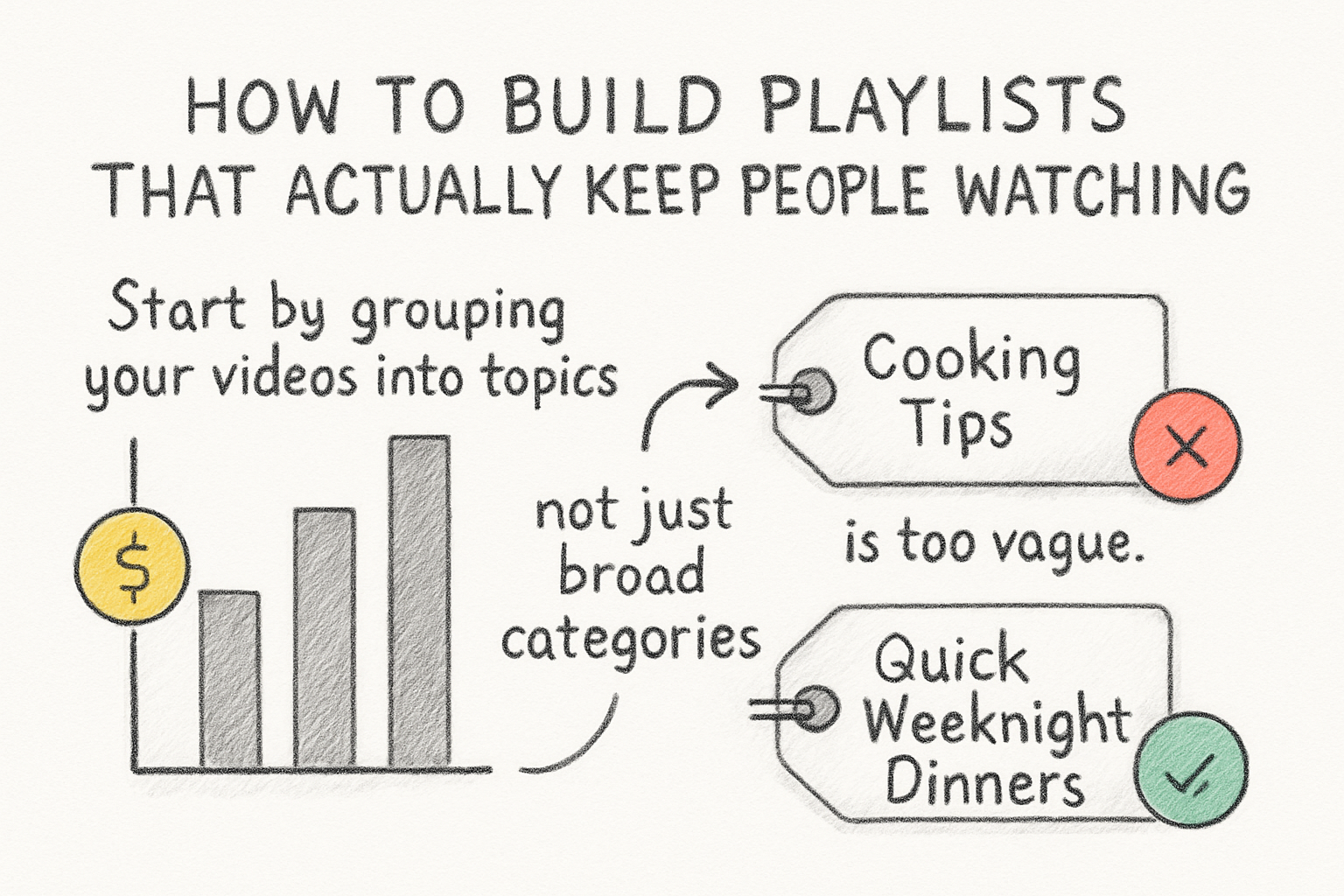
Start by grouping your videos into topics, not just broad categories. A playlist called "Cooking Tips" is too vague. A playlist called "Quick Weeknight Dinners Under 30 Minutes" tells the viewer exactly what they're getting, and it attracts people who are in that specific mindset. Specific playlists convert better because they match what the viewer is already looking for.
The title and description of your playlist matter more than most creators realize. YouTube uses that information to rank playlists in search results. Treat your playlist title like a video title. Make it clear, specific, and search-friendly. If you want to get better at writing titles that pull in clicks, our piece on how to optimize YouTube titles for more clicks is worth reading before you sit down to name your playlists.
I remember when I first started organizing my own content into playlists, I made the mistake of dumping every video I had into one giant list. It felt organized on my end, but from a viewer's perspective, it was all over the place. The videos didn't build on each other at all. Once I broke them into smaller, focused playlists, my average view duration went up noticeably within a few weeks.
Another thing that helps is keeping your playlists updated. Add new videos to relevant playlists right when you publish them. Old playlists that stop getting new content tend to lose momentum over time. Fresh additions signal to YouTube that the playlist is still active and worth surfacing to new viewers.
Promoting your playlists to get more traction
Publishing a playlist and doing nothing else with it is a missed opportunity. You need to actively push people toward it. The easiest way to start is by linking to playlists instead of individual videos whenever you share your content. When someone clicks a playlist link, YouTube starts them at the beginning and keeps them going through the whole series. That's way more watch time than dropping someone on a standalone video.
End screens are another powerful tool here. Instead of pointing viewers to a random next video, send them to a playlist that fits what they just watched. That way the recommendation feels natural and keeps the session going. We covered this in detail in our post on end screen strategies to keep viewers watching, and the advice there pairs really well with a strong playlist setup.
You can also mention your playlists inside your videos. A quick line near the end like, "If you want to see the full series, I've got it all in a playlist linked below," is simple and it works. Most viewers won't go hunting for more content on their own, but they'll follow a clear invitation. Make it easy for them.
Don't ignore your video descriptions either. Include a link to the relevant playlist in every description so viewers always have a path forward. If you want to get more out of your descriptions in general, check out this guide on writing the perfect YouTube video description. Getting these small details right adds up fast when you've got a library of content working together.
Ready to take the next step?
Playlists won't fix a channel overnight, but they're one of the smartest long-term moves you can make. Once you've got a few solid playlists running, check your YouTube Analytics regularly to see which ones are driving the most watch time. That data will tell you exactly where to focus next. If you've got questions about any of this, drop them in the comments below. And if you're looking for tools to help you plan, organize, and grow your channel faster, check out Kliptory and see what it can do for you.