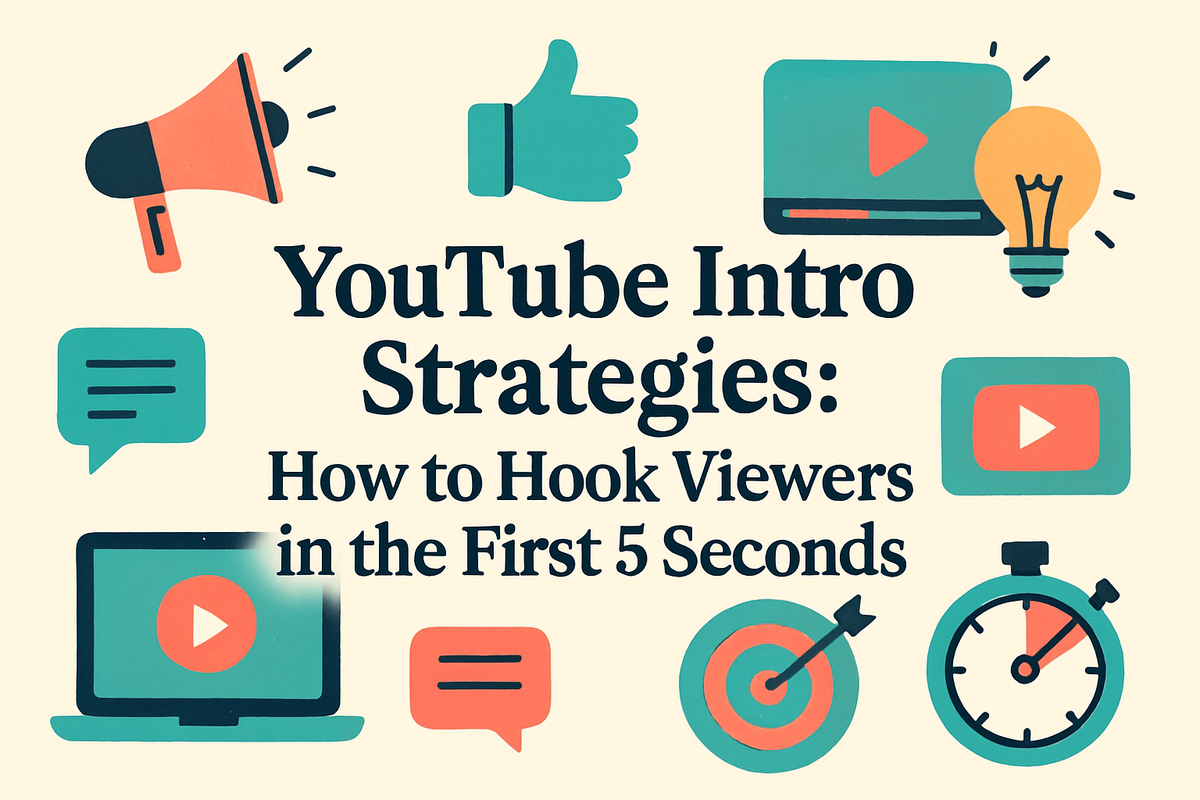
YouTube Intro Strategies: How to Hook Viewers in the First 5 Seconds

You've got five seconds. That's it. Before a viewer decides to stick around or click away, those first five seconds have already done their job or failed completely. It sounds harsh, but that's just how YouTube works in 2024. Attention is short, options are endless, and nobody owes you their time.
So what actually makes someone stay? It's not a fancy intro animation. It's not your logo spinning onto the screen with a dramatic sound effect. It's the feeling that something worth watching is already happening. The best YouTube creators know this, and they build their entire opening around it. Get those first few seconds right, and everything else gets easier.
In this post, we're going to break down exactly how to hook viewers fast, what mistakes to stop making, and how to build a repeatable intro strategy that works across any niche. Whether you're just starting out or you've been posting for years, this stuff is worth revisiting.
Why the first five seconds decide everything
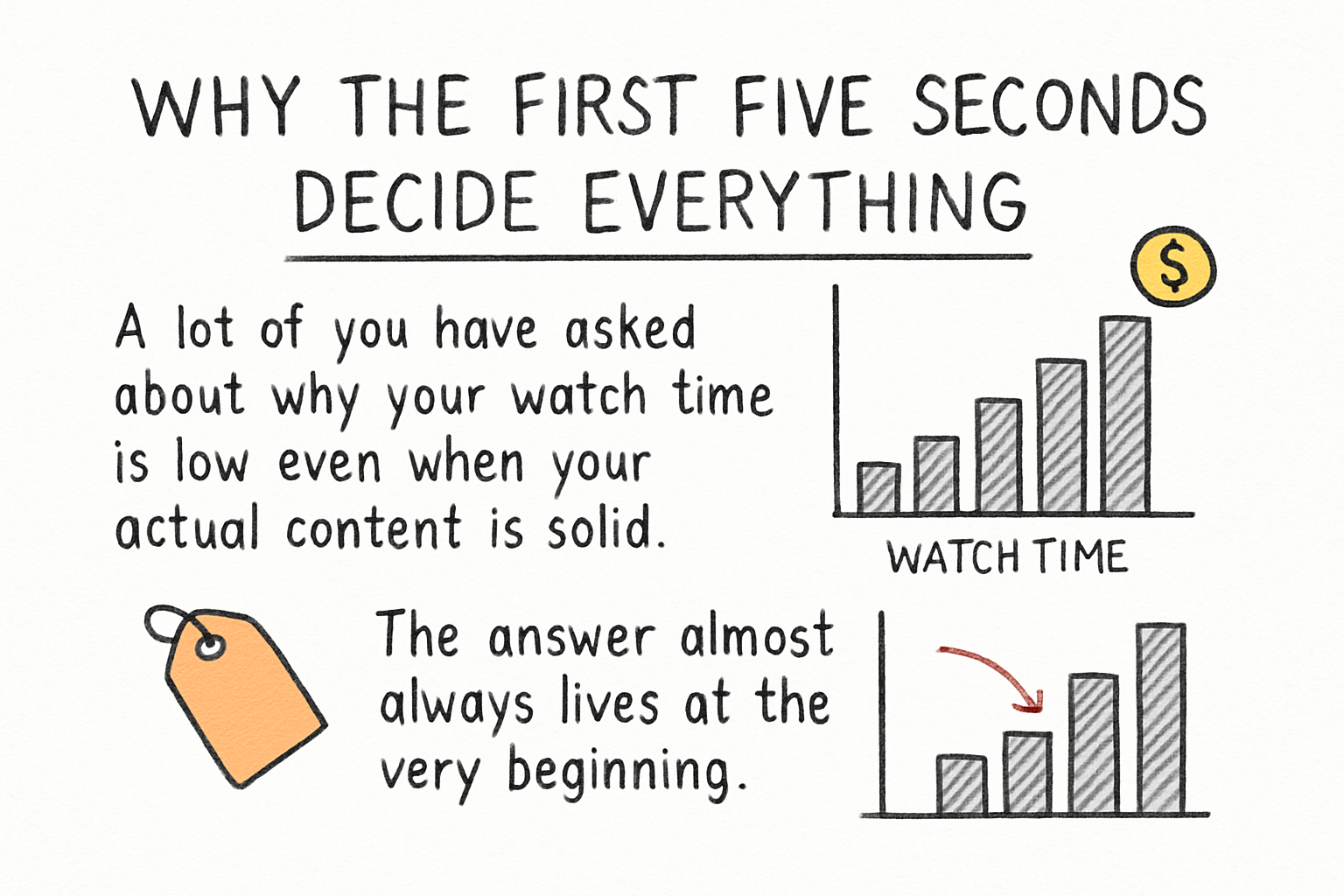
A lot of you have asked about why your watch time is low even when your actual content is solid. The answer almost always lives at the very beginning of the video. YouTube's algorithm pays close attention to audience retention, and the drop-off that happens in those first few seconds is one of the biggest signals it uses to decide whether to push your video or bury it.
Think about how you scroll YouTube yourself. You click a video, and within a couple seconds you know if you're staying. Something in your brain makes that call fast. Your viewers are doing the exact same thing. If your video opens with a long musical intro, a slow pan of your desk, or you saying "hey guys, welcome back to my channel," a big chunk of your audience is already gone.
The opening seconds need to do one of a few things: show something visually interesting, ask a question the viewer desperately wants answered, or promise something they're going to get if they keep watching. You want them to feel like they jumped into the middle of something exciting, not like they're waiting for something to start.
I personally think the biggest mistake new creators make is confusing a polished intro with an effective one. They spend hours on a logo animation and thirty seconds introducing themselves when they should be getting straight to the point. Your branding can come later. Your hook cannot. You can learn more about how the algorithm reads viewer behavior in this guide on using YouTube analytics to grow your channel.
Hook types that actually work
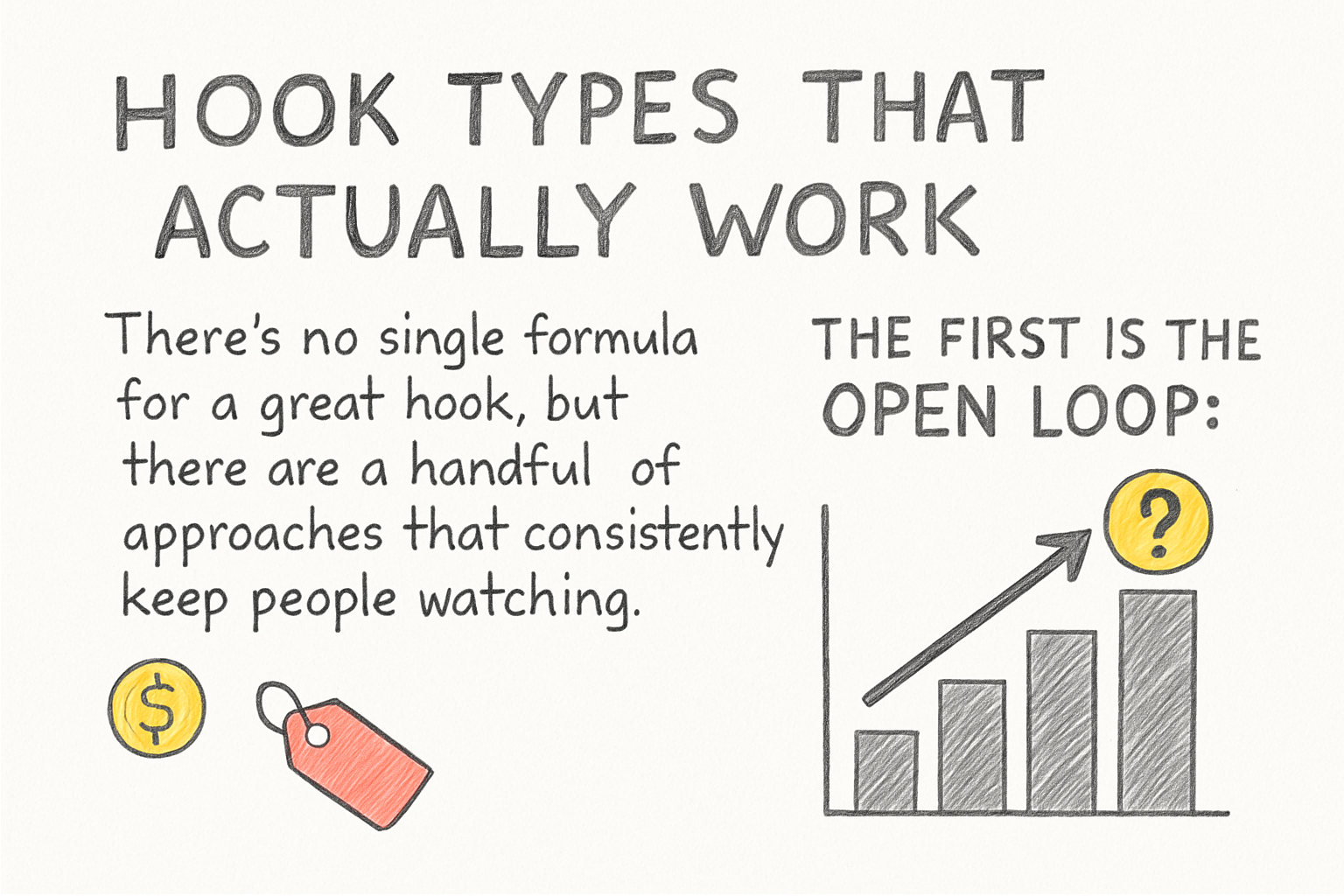
There's no single formula for a great hook, but there are a handful of approaches that consistently keep people watching. The first is the open loop. You start by teasing something that's going to happen later in the video without revealing it yet. Something like, "By the end of this, you'll never write a video script the same way again." The viewer's brain wants that loop closed, so they stay.
The second approach is the bold claim or surprising statement. You open with something that makes the viewer raise an eyebrow. It doesn't have to be outrageous, it just needs to be something they didn't expect. "Most creators are wasting the first thirty seconds of every video they make" is way more grabbing than "Today I'm going to talk about YouTube intros."
The third approach is visual action. This works especially well for tutorial and lifestyle content. You skip straight to showing something happening. A cooking video that opens with a sizzling pan is more compelling than one that opens with someone standing in their kitchen introducing the recipe. Show first, explain later.
I remember watching a creator I really liked go from decent retention to massive growth, and the only thing she changed was cutting her intro from twenty seconds down to three. She stopped explaining what the video was about and just started doing it. Her numbers jumped almost immediately. That's not a coincidence. If you're also working on pulling people in before they even click, check out this breakdown of how to optimize YouTube titles for more clicks so your hook starts before the video even plays.
Building a repeatable intro strategy for your channel
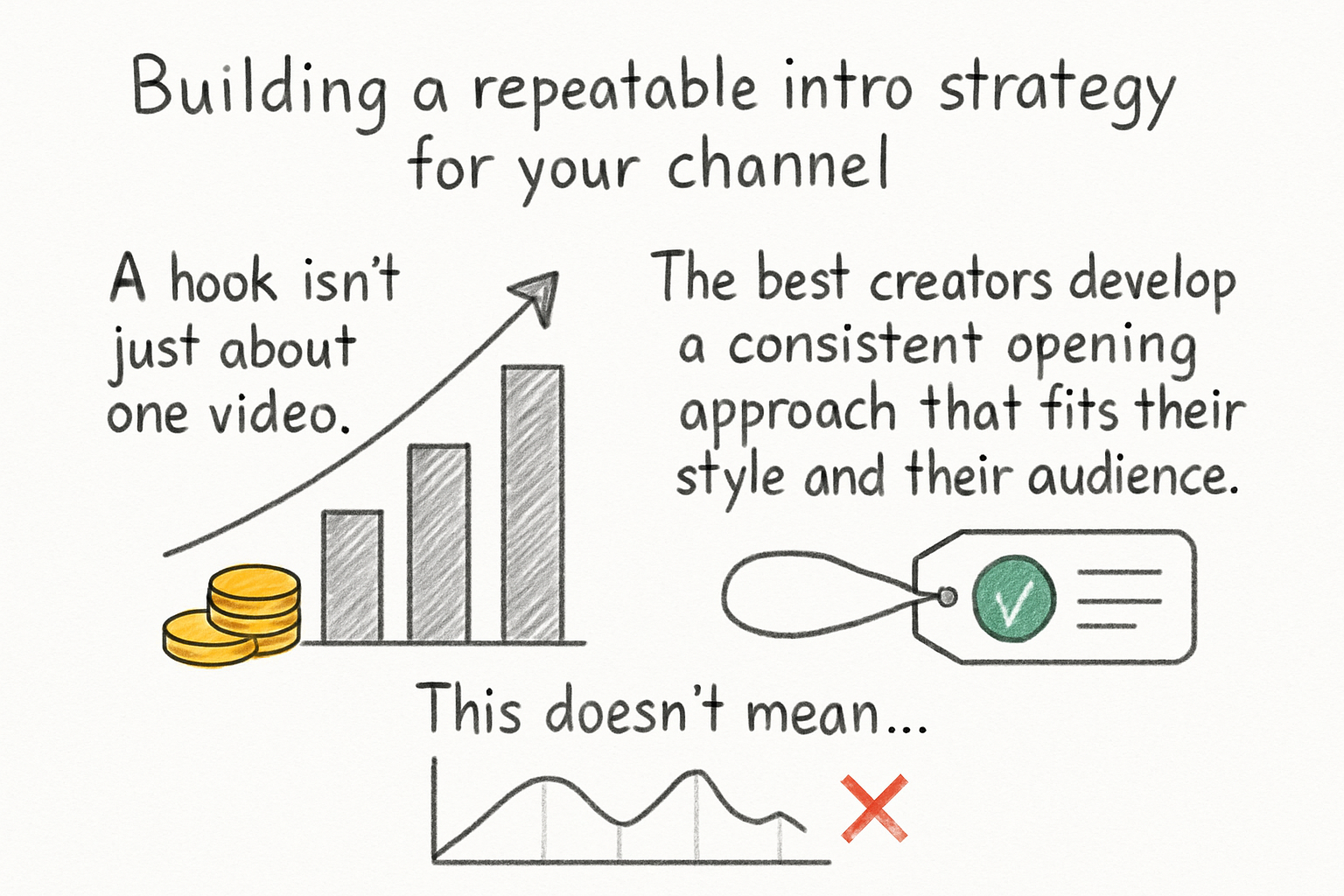
A hook isn't just about one video. The best creators develop a consistent opening approach that fits their style and their audience. This doesn't mean every video starts the same way word for word. It means you have a system. You know your first move before you ever hit record.
Start by deciding what kind of hook fits your content type. If you make educational videos, the open loop or bold claim tends to work best. If your content is more entertainment or lifestyle, visual action might feel more natural. Once you pick a primary approach, practice it. Write it out before you film. The intro should feel sharp and intentional, not improvised.
You also want to think about what comes right after the hook. A lot of creators nail the first three seconds and then drift into a slow setup. Don't lose the momentum you just built. After your hook, bridge quickly into what the video covers and why it matters. Keep that energy up for at least the first thirty to forty-five seconds. If your retention is still dropping early, that middle section between the hook and the main content is usually where things fall apart.
Once you've built a strategy that works, the goal is to apply it consistently and then test variations. Look at your analytics after each upload. See where people drop off. Adjust. The best YouTube end screen strategies matter too, but honestly none of that gets a chance to work if viewers don't make it past the first few seconds. Your intro is the foundation everything else rests on.
Ready to take the next step?
Getting your YouTube intro right won't happen overnight, but even small changes to how you open your videos can make a real difference in how long people stick around. Start by watching your own videos and asking yourself honestly: would I keep watching this if it wasn't mine? If the answer is no, that's your starting point. Try a different hook next upload. Test it. Then test something else. If you want more tools and tips to help your channel grow faster, check out Kliptory and see what it can do for your content strategy. And if you've got a hook style that's been working for you, drop it in the comments. Would love to hear what's actually clicking for your audience.